Pumping System
Wastewater
Romtec Utilities

As California strengthens its healthcare infrastructure against natural disasters, NPC-5 compliance has become a critical benchmark for hospitals across the state. But what it NPC-5, why does it matter, and how can Romtec Utilities help?
NPC-5 stands for Nonstructural Performance Category 5, the highest level of nonstructural seismic safety required by the California Department of Health Car Access and Information. It ensures that acute care hospital facilities can maintain 72 hours of continuous operations during an earthquake, or other emergencies, by securing essential utilities like water, sewer, and fuel.
One of the most critical components of NPC-5 is the emergency water supply. According to the plumbing code hospitals must:
All general acute care hospitals in California must meet NPC-5 standards by January 1, 2030. However, new seismically separate buildings must be compliant at the time of occupancy.
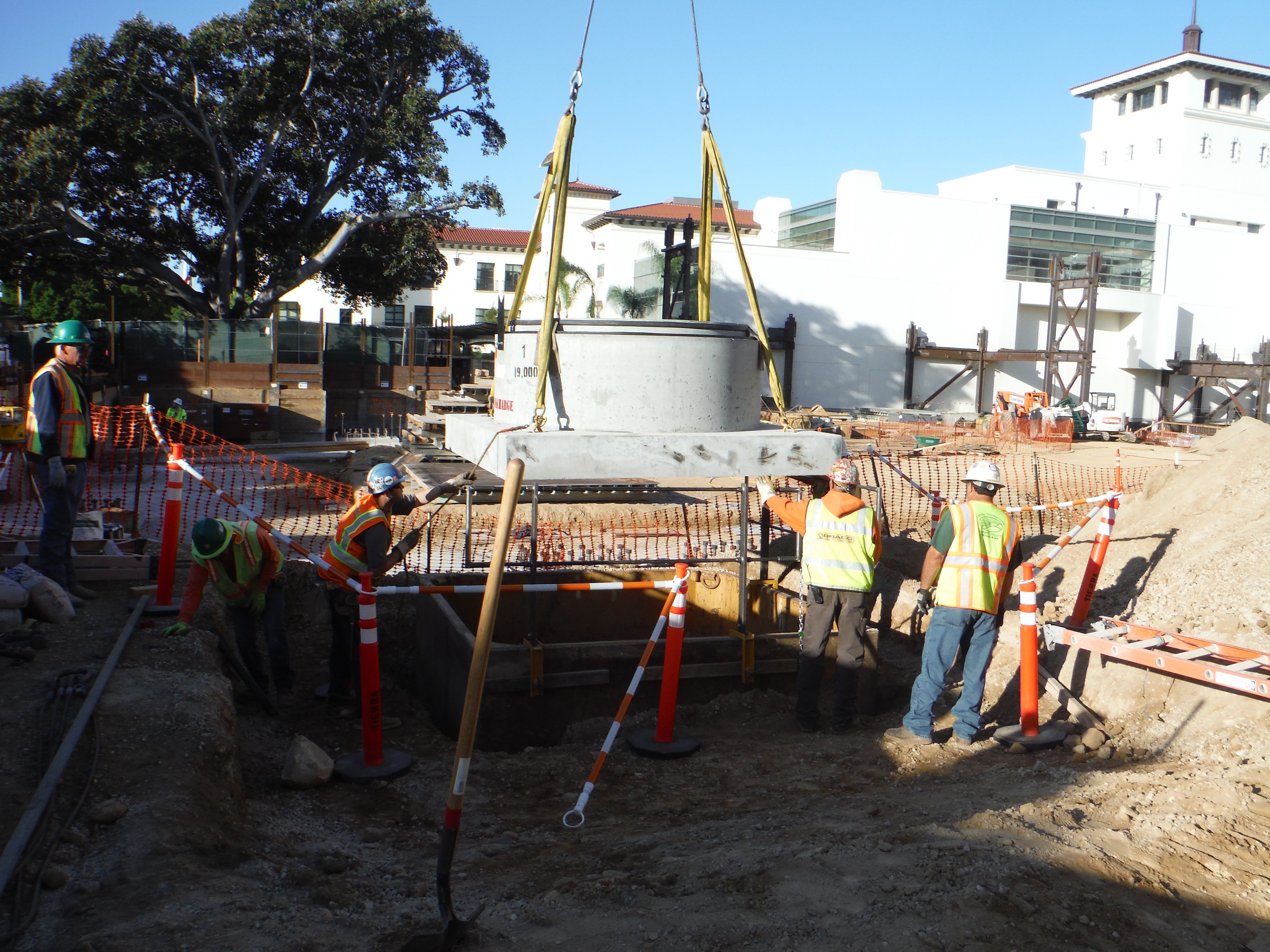
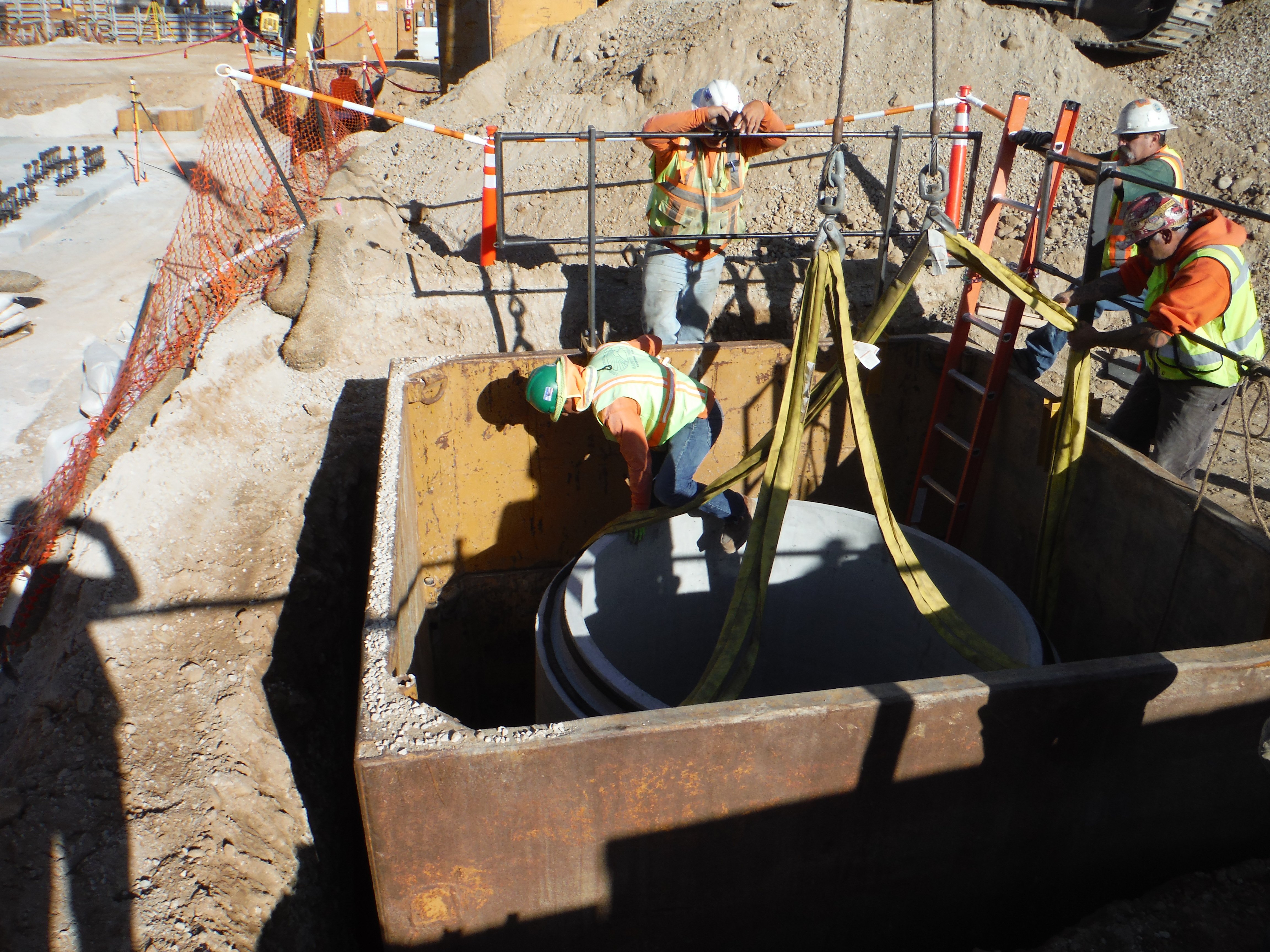
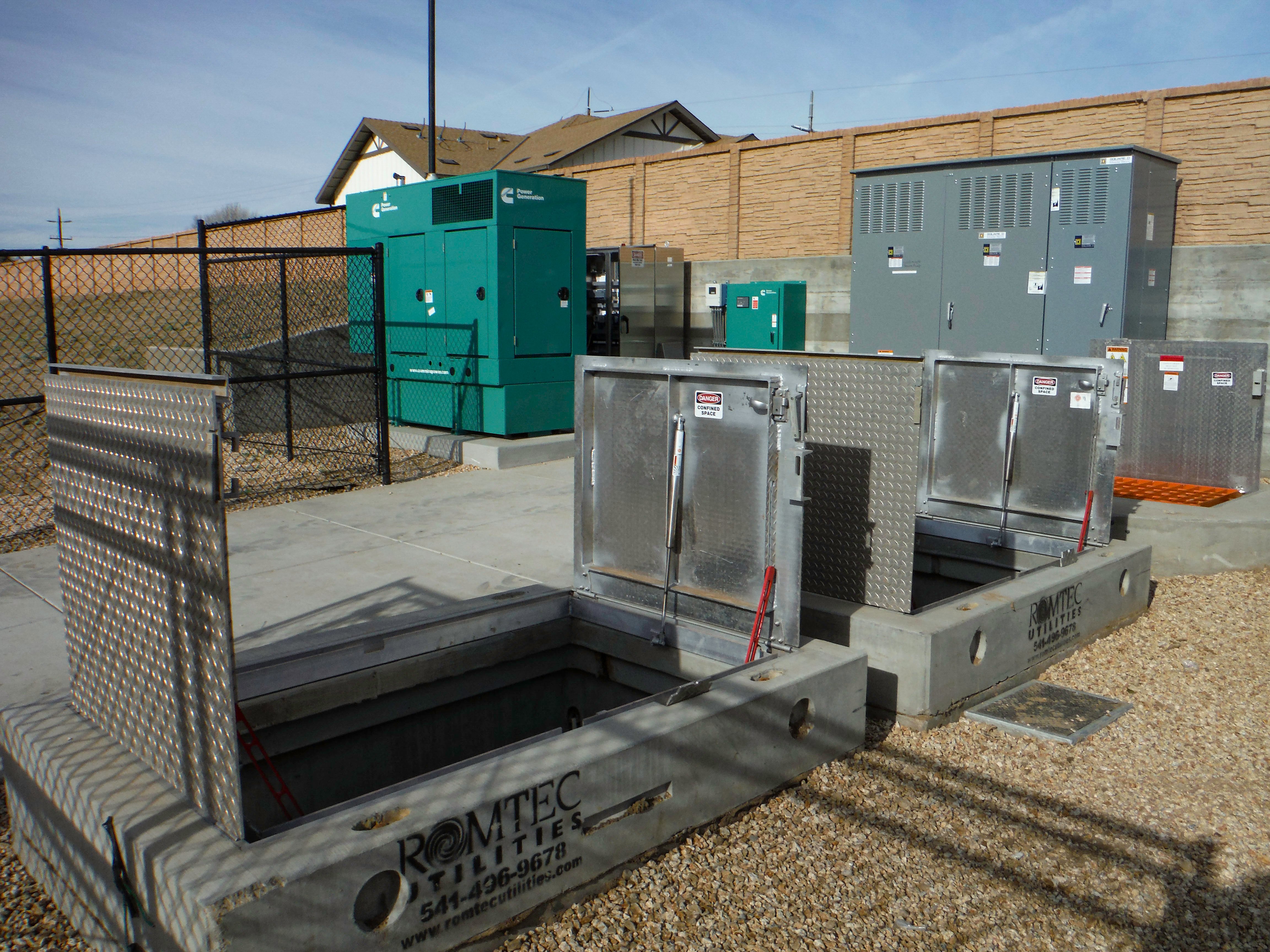
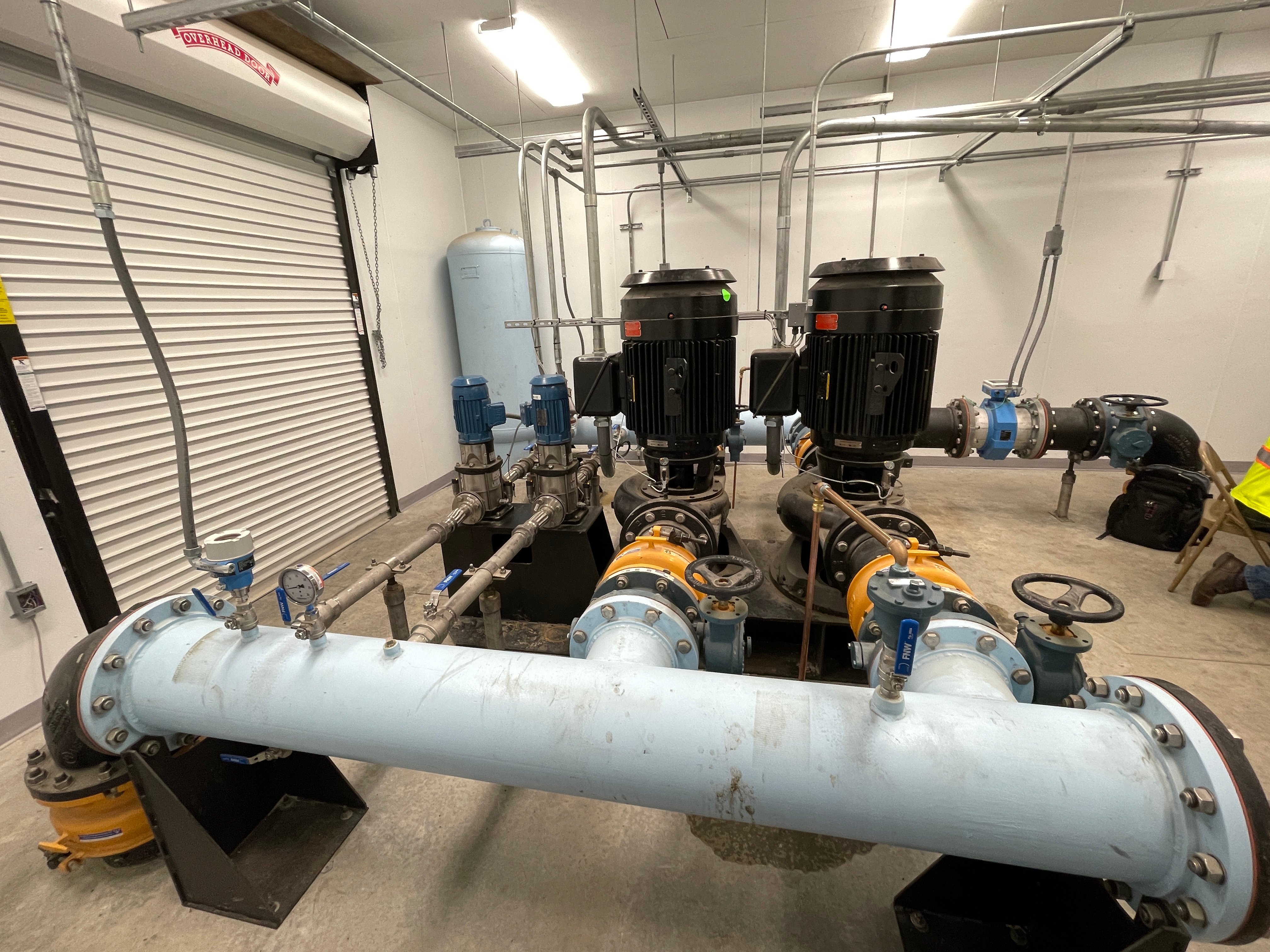
Romtec Utilities specializes in engineered pump stations and emergency water systems that meet the requirements of NPC-5.
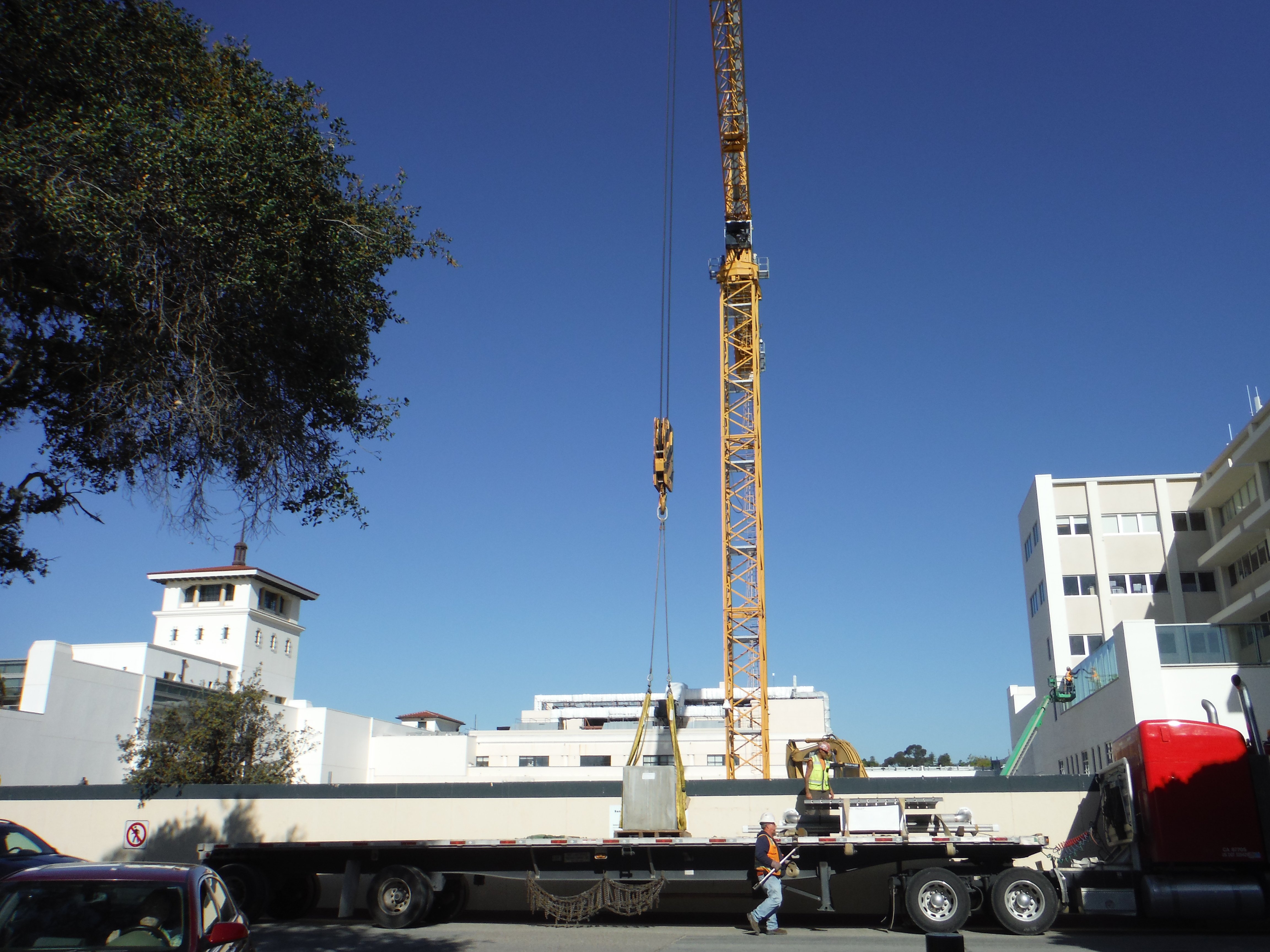
Engineered water storage and pump systems: Romtec designs and supplies custom water storage tanks, booster pump stations, and control panels that ensure consistent water pressure and flow.
Seismic-Resilient Infrastructure: All systems are built to meet California Building Code seismic standards, as well as site-specific requirements, to ensure durability and functionality in the event of an earthquake.
Support: Romtec provides:
Hospital must submit a water conservation/water rationing plan that: